When it comes to building a new home or buying a recently constructed one, understanding the latest design trends and features can be overwhelming. This guide is here to break down the top 10 most sought-after features expected to become mainstream in 2025. Designed with a homeowner’s perspective in mind, each feature reflects growing desires for energy efficiency, convenience, flexibility, and a healthier, more sustainable lifestyle. Let’s explore each trend in detail.
1. Smart Home Integration

Imagine being able to control your lights, adjust the thermostat, lock doors, and monitor security cameras—all from your phone or with a voice command. Smart home integration is more than a luxury; it’s becoming an expected standard. Many new homes now come equipped with voice-activated assistants (like Amazon Alexa or Google Assistant), smart thermostats that learn your routine, automated lighting systems, and advanced security features. These tools not only make life easier but can also help save energy by allowing you to adjust settings from anywhere, keeping your home comfortable and secure with ease.
2. Energy-Efficient Windows

Windows have a huge impact on a home’s energy consumption. By 2025, Energy Star-qualified windows—designed to keep warm air inside during winter and block out heat in the summer—are expected to be a standard feature in new homes. Energy-efficient windows can significantly lower heating and cooling bills and reduce your carbon footprint. These windows are particularly helpful in areas with extreme temperatures, providing better insulation and making homes more comfortable year-round. Plus, they’re a highly desired feature, with about 83% of buyers prioritizing them when shopping for a home.
3. Dedicated Laundry Room
Long gone are the days of laundry tucked into cramped closets or shared with other utility spaces. Today’s home buyers overwhelmingly want a dedicated laundry room—86% of them, in fact. A separate laundry space allows homeowners to wash, dry, fold, and even iron in one convenient spot without disrupting other areas of the home. Many new homes are designed with this feature in mind, often including plenty of storage for detergents, hangers, and linens. Some homes even incorporate additional conveniences, like fold-out ironing boards and built-in drying racks, to make laundry day a breeze.
4. Outdoor Living Spaces

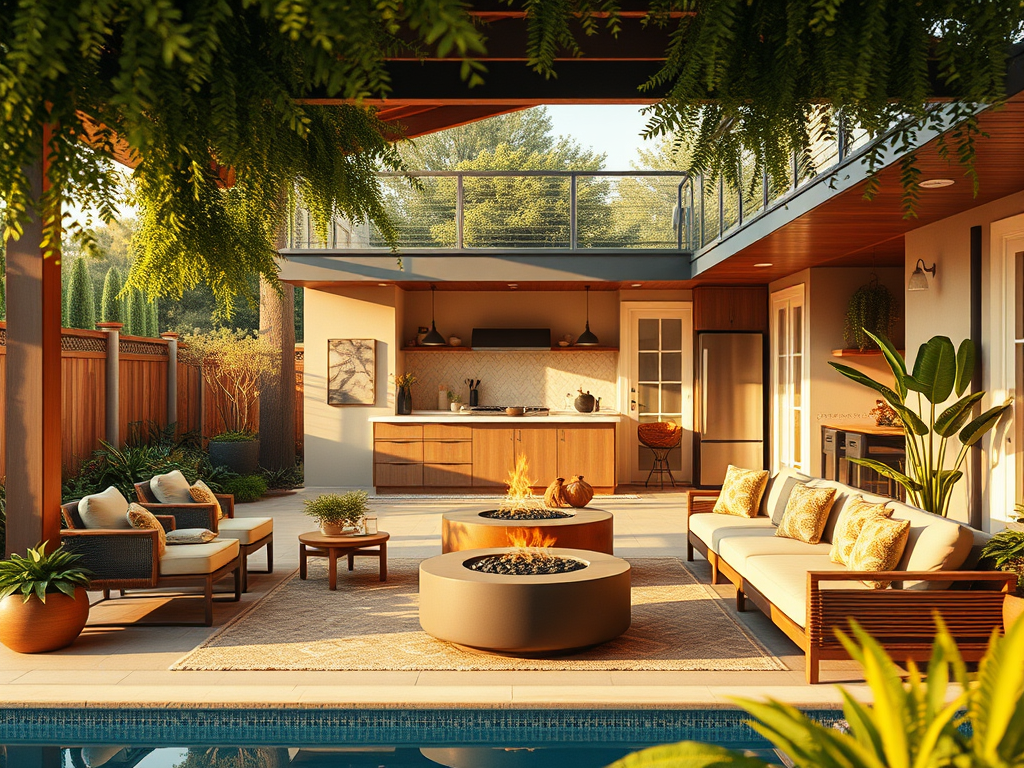
Outdoor living spaces are a priority for many home buyers who crave a seamless blend of indoor and outdoor life. Whether it’s a cozy patio, a sprawling deck, or a full outdoor kitchen, these spaces are designed for relaxation, dining, and entertaining. With 86% of buyers looking for homes with outdoor living options, it’s clear that these spaces have become a vital part of home life. In 2025, many new homes will feature partially enclosed patios, covered decks, and backyard seating areas with fire pits, all of which allow homeowners to enjoy nature without sacrificing comfort.
5. Multi-Functional Spaces
Today’s homes need to be as flexible as the people who live in them. Multi-functional spaces are becoming increasingly popular, allowing rooms to serve multiple purposes. This could mean a home office that doubles as a guest bedroom, a dining room that also functions as a study, or a kitchen island designed for both meal prep and dining. This trend reflects the growing need for adaptable spaces, especially as more people work from home and prioritize flexible environments that can easily transition from one function to another.
6. Exterior Lighting
Exterior lighting isn’t just for curb appeal; it also provides an extra layer of security. About 82% of home buyers value homes with exterior lighting. Well-placed outdoor lights illuminate pathways, highlight landscaping, and deter unwanted visitors. From solar-powered lights along a walkway to motion-activated floodlights for the driveway, these lighting solutions make coming home after dark safer and more inviting. In addition, new homes are increasingly incorporating smart exterior lighting that can be controlled remotely, offering both convenience and security at the tap of a button.
7. Aging-Friendly Design
With a growing number of multi-generational households and an aging population, homes with aging-friendly designs are more in demand than ever. Features like wider doorways, walk-in showers, and no-step entries are becoming more common, ensuring that homes are accessible for people of all ages. These elements don’t just benefit seniors; they’re helpful for everyone, whether you’re bringing in heavy groceries, pushing a stroller, or recovering from an injury. This trend reflects a shift toward homes that are designed to accommodate people through all stages of life, creating more inclusive spaces.
8. Sustainable Materials
Eco-friendly and sustainable materials are taking center stage in 2025. Many homeowners now prefer building materials that are responsibly sourced and have a lower environmental impact, such as bamboo flooring, recycled glass countertops, and reclaimed wood. Using these materials not only helps preserve natural resources but also reduces a home’s carbon footprint. Sustainable design has become more affordable and stylish, meaning Eco-conscious homeowners don’t have to sacrifice aesthetics for environmental responsibility.
9. Home Wellness Spaces
Homes are now being designed with wellness in mind, and dedicated wellness spaces are gaining popularity. From home gyms to yoga studios to meditation rooms, these areas allow homeowners to focus on health and well-being without leaving the house. As fitness and mindfulness have become priorities, homes in 2025 are expected to include dedicated wellness spaces. Whether it’s a quiet room for meditation, a fully equipped gym, or a space for yoga, these rooms provide a sanctuary for homeowners to recharge and focus on self-care.
10. Eat-in Kitchens
Gone are the days when kitchens were solely for cooking. Eat-in kitchens—those with islands, breakfast bars, or built-in dining nooks—have become highly desirable, with 78% of buyers looking for this feature. These kitchens allow for casual dining right in the heart of the home, making it easy for families to gather for meals, snacks, or even homework sessions. In 2025, eat-in kitchens will likely continue to evolve, with flexible seating options and innovative designs that turn the kitchen into a multi-functional, social space where everyone can gather and feel connected.
Conclusion
As we approach 2025, new home trends reveal a growing desire for features that enhance everyday living—spaces that adapt to our routines, support our well-being, and reflect a commitment to sustainability. Smart home integration, energy-efficient windows, and sustainable materials align with a shift towards eco-conscious living, while wellness spaces, aging-friendly designs, and multi-functional areas make homes more inclusive and versatile. Outdoor living spaces, eat-in kitchens, and dedicated laundry rooms add comfort and convenience, making home a true haven.
These trends are more than just design elements; they’re investments in a lifestyle focused on efficiency, flexibility, and health. Whether you’re planning to build or remodel, incorporating these features will make your home future-ready and a place you’ll enjoy for years to come.
If you’re excited about these ideas and want to explore how they can fit into your future home, subscribe to our page for more insights on the latest in home design. For a more personalized approach, set up a consultation with us (Just scroll down and choose the way you would like to meet.)—we’d love to help you design a home that aligns perfectly with these trends and your unique vision!
Leave a Reply