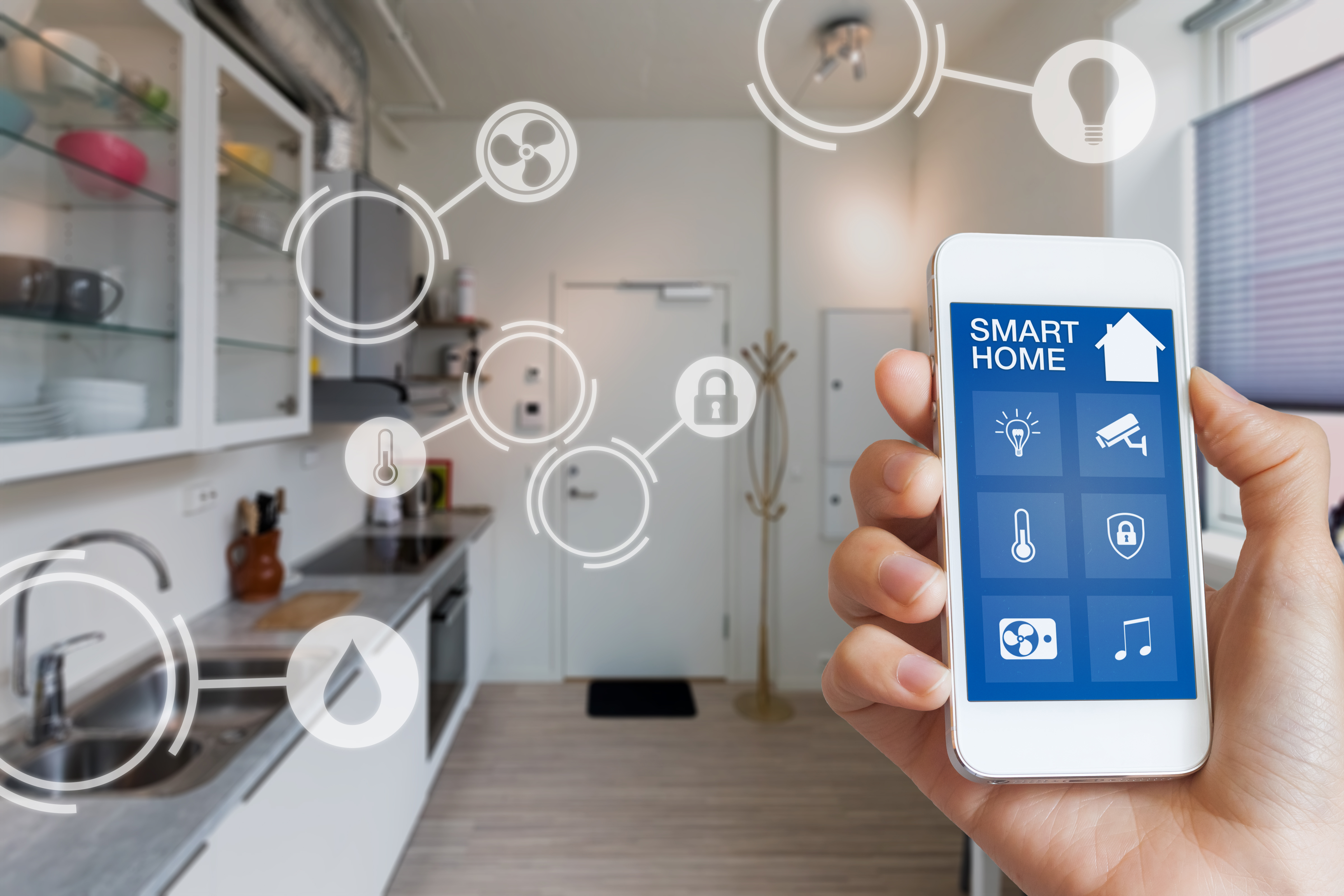
Imagine walking into your home after a long day at work. Instead of fumbling for the light switch, the lights automatically turn on to your preferred brightness. Your favorite music starts playing softly in the background, and the temperature is just right, all without you lifting a finger. This is the magic of a smart home.
A smart home is a house equipped with devices that automate everyday tasks and make your living space more efficient, convenient, and comfortable. These devices are all connected through the internet, allowing them to communicate with each other and with you. Think of it as having a personal assistant that takes care of the little things so you can focus on what really matters.

One of the key components of a smart home is the smart lighting system. Beyond just turning lights on and off, these lights can create different moods and atmospheres in your home. Imagine hosting a dinner party; you can set the dining room lights to a warm, inviting glow, while the living room has a more relaxed, dimmed setting for after-dinner conversations. Smart bulbs often come with color-changing options, allowing you to pick from millions of colors to suit any occasion. For instance, you could have a vibrant, colorful setup for a birthday party or a calm, cool blue for a relaxing evening.
Smart lighting can also improve your daily routine. You can set lights to gradually brighten in the morning, simulating a natural sunrise to help you wake up more gently. In the evening, the lights can slowly dim to signal it’s time to wind down, helping improve your sleep cycle.

Another important aspect is the smart thermostat. This device goes beyond just setting temperatures; it learns your daily routine and adjusts the temperature accordingly. It can integrate with weather forecasts to adjust your home’s temperature based on the weather outside. For example, on a particularly hot day, it might start cooling your home earlier than usual to ensure it’s comfortable by the time you get home. Some advanced models even use geofencing technology, which tracks your location via your smartphone. When it senses you’re on your way home, it adjusts the temperature so you arrive to a perfectly climate-controlled environment.
Additionally, many smart thermostats provide detailed energy usage reports, helping you understand how much energy you’re using and how you can save more. They can suggest energy-saving tips and even create monthly energy goals, making it easier for you to be environmentally friendly and cost-efficient.
Security is a significant benefit of smart homes. Smart locks and doorbells with built-in cameras let you see and speak to anyone at your door, whether you’re at home or not. Smart security systems can be incredibly versatile. You can set up motion-detection zones around your property, and if any movement is detected within these zones, you’ll receive an immediate alert on your phone. This is particularly useful for monitoring large properties or vulnerable areas like backyards or garages.
Smart doorbells with cameras allow you to interact with delivery personnel, instructing them where to leave packages if you’re not home. Some systems also feature facial recognition technology, so they can notify you if a family member or stranger is at the door. Furthermore, smart locks can provide temporary access codes to guests or service providers. If you’re having a friend stay over or need to let a cleaner in while you’re at work, you can generate a one-time code that grants access for a specific period, ensuring your home remains secure.
In the kitchen, smart appliances can revolutionize how you cook and manage household tasks. For instance, a smart refrigerator can send you alerts if the door is left open or if it needs maintenance. It can even help with meal planning by suggesting dishes based on the ingredients you have and create shopping lists for items you need to replenish. Smart ovens often come with recipe guides and cooking modes. You can follow a recipe step-by-step, and the oven will adjust the cooking temperature and time automatically. Some models allow you to monitor and control the cooking process from your phone, so you can multitask without worrying about burning dinner.
Home entertainment systems in a smart home are designed for seamless integration and ease of use. Imagine saying, “Play my favorite show,” and your smart TV turns on, switches to the correct streaming service, and starts the episode. You can also synchronize your entertainment system with your lighting and shades. For example, when you start a movie, the lights can dim, and the shades can close automatically, creating an instant home theater experience.
Multi-room audio systems can play different music in each room or synchronize to play the same song throughout the house. You can control everything from your phone or with voice commands, making it easy to set the perfect soundtrack for any part of your day.
The backbone of a smart home is the smart hub, a central device that connects and controls all your smart devices. Popular hubs include Amazon Echo, Google Home, and Apple HomeKit. These hubs use voice assistants like Alexa, Google Assistant, or Siri to execute your commands. Just imagine saying, “Alexa, start my morning routine,” and your home springs into action: lights turn on, the thermostat adjusts, the coffee maker starts brewing, and your favorite news podcast begins to play.
Voice assistants can also manage your calendar, set reminders, and even order groceries. As they get to know your preferences and habits, they become more efficient and helpful, making your daily tasks easier and more enjoyable.
Smart homes are not just about convenience but also about creating a living environment that adapts to your needs and lifestyle. Whether it’s saving energy, enhancing security, or making everyday tasks easier, the components of a smart home work together to make your life better. By integrating smart technology, you can enhance convenience, security, and efficiency in ways that traditional homes simply cannot match. Whether it’s through energy savings, improved security, or just making your day-to-day life a bit smoother, the possibilities with smart home technology are virtually endless.
So, as you think about the possibilities for your new construction home, consider the benefits of integrating smart technology. It’s like building a future-proof house where everything is designed to work seamlessly together, making your home a truly modern and enjoyable place to live.


Leave a Reply