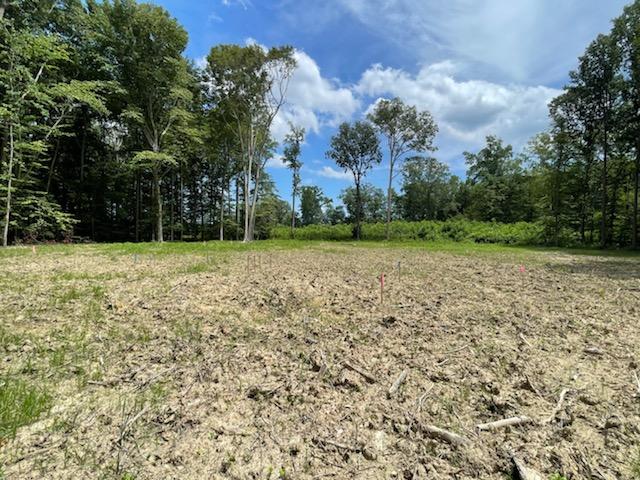
When you decide to build a new home or remodel your current one, it’s exciting to envision the end result: a beautiful, functional space that meets all your needs. However, before you break ground or hire a contractor, there’s an important step you should never overlook—understanding local zoning laws. Zoning can feel like a maze of technical terms and legal paperwork, but don’t let that scare you away! In this article, we’ll break down three common zoning concepts—easements, setbacks, and variances—in easy-to-understand language. Plus, we’ll share some tips for handling conflicts or requesting waivers from zoning boards.
What Are Easements?
Easements are basically permissions that allow a specific person or entity (like a neighbor or utility company) to use a portion of your property for a designated purpose. For example, you may have a public utility easement running through your backyard so the utility company can install or maintain power lines or water pipes.
- Why Do Easements Matter? If there’s an easement on your property, it can limit what you can build in that particular area. Building a fence, shed, or any permanent structure on land subject to an easement could cause legal issues or force you to tear down your project later.
- How to Handle Easement Conflicts: If you discover an easement on your property, the first step is to understand what the easement specifically allows or prohibits. Sometimes, you can negotiate with the easement holder to move or modify it, but this usually involves legal help and approval from your local zoning board or other authorities.
Understanding Setbacks
Setbacks define how close you can build to your property’s boundaries. Think of them as invisible borders within your own lot lines. For instance, local rules may say you need to keep your home at least 20 feet away from the front property line or 10 feet from the side line. Setbacks aren’t one-size-fits-all; they vary by neighborhood and zoning classification.
- Why Do Setbacks Exist? They help maintain a cohesive look in the neighborhood and provide room for utilities, sidewalks, and emergency access. They also protect neighbors’ access to natural light and air.
- When Setbacks Become an Issue: If you’re remodeling and want to extend a garage or build a porch closer to the street than local rules allow, you’ll run into setback restrictions. You can sometimes address this through a special approval called a variance (we’ll get to that next).
What Are Variances?
A variance is basically an exception to a zoning rule that you can request when you have a good reason for needing a bit of extra leeway. Let’s say you want to add a small addition to your kitchen, but you’ll be four inches short of the required setback distance. You could request a variance to allow that shorter setback.
- How to Request a Variance: You’ll need to appear before your local zoning board (or a similar authority) and present your case. They’ll look at whether your request is reasonable, whether it affects your neighbors, and if granting the variance aligns with local development goals.
- Tips for Success:
- Do Your Homework: Gather all necessary documents, like site plans and property surveys, so you can clearly show why you need the variance.
- Communicate with Neighbors: Zoning boards often take neighbors’ concerns into consideration, so it’s wise to let them know your plans ahead of time.
- Seek Professional Guidance: An experienced designer or architect can help you prepare a persuasive presentation for the zoning board.
Handling Conflicts and Requesting Waivers
Despite your best planning, conflicts with local zoning boards or neighboring property owners can arise. Here’s what to do:
- Stay Calm and Informed: The more you know about your local regulations, the better you can navigate the process. Keep organized records of your permits, surveys, and correspondences.
- Talk It Out: Many issues can be resolved by politely talking with neighbors or local officials. If you’re worried about a potential conflict—say your new fence might block a neighbor’s view—discuss your plans in advance to avoid misunderstandings.
- Get Expert Help: Architects, designers, or land-use attorneys have the know-how to represent you if things become complicated. They can guide you through paperwork, public hearings, and negotiations.
- Be Willing to Compromise: If you run into push back, you might find a middle-ground solution—like adjusting the design slightly or offering to place additional landscaping for privacy.
Work With Professionals Who Understand Zoning
A critical part of any construction project is knowing when to bring in the pros. Even if you understand the basics, an experienced designer or architect can help you:
- Interpret Complex Rules: Zoning regulations can get highly technical. A professional will decode the legal jargon and tell you how it applies to your unique project.
- Design Smartly: They’ll create a site plan that respects easements and setbacks right from the start, so you don’t waste time or money on designs that won’t get approved.
- Navigate Approvals: Professionals often have relationships with local officials and zoning boards, making it easier to get your project approved or request a variance if you need one.
Call to Action: Let’s Talk About Your Project
Ready to bring your dream home or remodel to life—without getting lost in zoning red tape? Dennis Fletcher Design Studio is here to help. We’ll walk you through easements, setbacks, variances, and more, so you can focus on what matters most: enjoying your new space.
For expert guidance and a friendly, stress-free approach to designing your perfect home, contact Dennis Fletcher Design Studio today at info@dennisfletcherdesignstudio.com. Let’s work together to make sure your next building or remodeling project checks all the zoning boxes—while bringing your creative vision to life!
Leave a Reply