Bringing Nature Inside
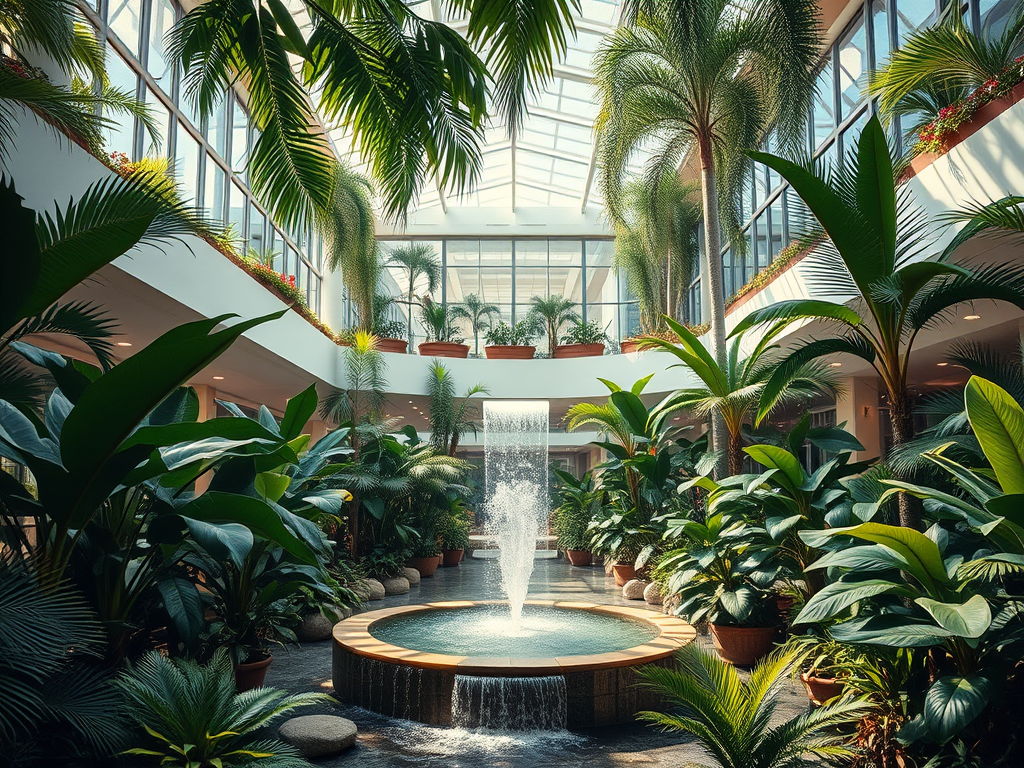
Picture this: you step through the front door and instead of being greeted by drywall and furniture, you’re welcomed by sunlight streaming from above, leaves brushing against the air, and the soft trickle of water echoing through the space. Sounds like stepping into a botanical conservatory, right? Well, more homeowners are beginning to realize that they can bring that same sense of awe and serenity inside their own homes.
Indoor gardens and atrium’s aren’t new—ancient Romans used central courtyards to keep light and greenery at the heart of their villas. What is new, though, is how modern architecture and technology have made these features more practical, more sustainable, and more stunning than ever before.
Let’s talk about how these spaces work, why they matter, and what you’d need to consider if you’re dreaming of having one yourself.
🌞 Light Is the Lifeline
Think of plants as solar-powered roommates. Without natural light, they’re going to struggle—and so will your dream of a lush indoor garden. That’s why the first step in designing an atrium or green-filled living space is figuring out how to maximize sunlight.
Skylights are the obvious go-to, but not all skylights are created equal. A simple fixed skylight brings in light, but a retractable or vented version also helps control airflow and humidity. Clerestory windows (those high windows that sit near the roof line) can bathe plants in light without compromising privacy. And in some designs, entire glass ceilings or walls create that “greenhouse effect” while still feeling elegant and modern.
Here’s the fun part: as the light shifts throughout the day, your plants—and your interior—transform with it. Morning light might highlight the tops of broad-leafed palms, while late afternoon beams could cast dramatic shadows across a central water feature. It’s architecture and nature performing a duet.
💧 Water Features: More Than Pretty Noise
Every good garden has a heartbeat, and inside the home, that heartbeat often comes from water. Fountains, koi ponds, or trickling waterfalls don’t just look and sound beautiful—they serve a practical purpose too.
Running water helps regulate humidity, which is a big deal for plant health indoors. It also cools the air slightly, creating a fresher environment in spaces that might otherwise feel stuffy. And let’s be honest: there’s nothing quite like the sound of water to take the edge off a long day. You could walk into your living room and instantly feel like you’ve checked into a spa.
Of course, water features require some planning. Drainage, waterproofing, and filtration all need to be built into the design from the start. But when done right, they don’t just support the garden—they become the centerpiece of it.
🌱 Planting Without the Headache
Here’s where a lot of people hesitate: “I love the idea of an indoor garden, but I can barely keep a fern alive in my kitchen!” Totally fair concern. The good news is, you don’t need to be a master gardener to make this work—because the design itself can take a lot of the burden off your shoulders.
Built-in planters with hidden irrigation systems can water plants on a schedule without you lifting a finger. Some even recycle water from your fountain or pond, creating a sustainable loop. Drainage systems are hidden beneath stone or tile flooring, so there’s no mess if things get a little too damp.
And let’s not forget plant selection. While you could try to keep delicate orchids alive year-round, it’s usually better to choose hardy species that thrive in indoor conditions. Think palms, philodendrons, ferns, bamboo, or even small trees like ficus or olive. Add in some trailing vines along walls, and you suddenly have a vertical jungle right in your entryway.
✨ Making a Statement
At the end of the day, indoor gardens and atrium’s aren’t just about practicality—they’re about impact. Imagine a two-story oak reaching toward a skylight in the center of your home. Or a wall covered in cascading vines that doubles as a natural sound absorber. Maybe even a circular pond with a stepping-stone path leading through it to the next room.
These spaces give your home a heartbeat. They create conversation starters, stress relievers, and Instagram-worthy moments all in one. Most importantly, they remind you daily that nature isn’t something you escape to on vacation—it’s something you can live with.
Final Thoughts
Indoor gardens and atrium’s take careful planning—light, water, plants, and structure all have to work together like pieces of a puzzle. But when they do, the results are unforgettable. They don’t just make a house look impressive; they make it feel alive.
If you’ve ever dreamed of walking into your home and being surrounded by greenery and sunlight, maybe it’s time to consider bringing the outdoors in.
At Dennis Fletcher Design Studio, we help homeowners design living spaces that inspire, comfort, and amaze. If you’re curious about how an indoor garden or atrium could fit into your dream home, let’s talk.
📧 Reach us anytime at info@dennisfletcherdesignstudio.com
📩 Ready to design your own statement-making library or study? At Dennis Fletcher Design Studio, we craft timeless spaces tailored to your vision.
Leave a Reply