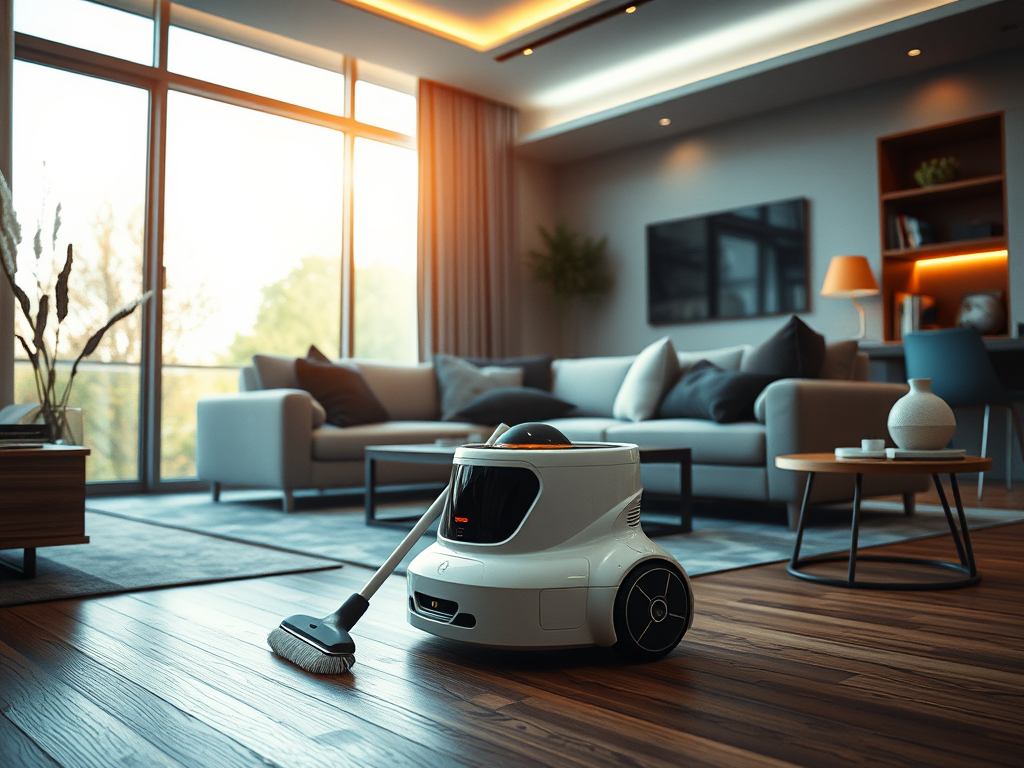
The concept of a “smart home” has evolved from a few connected devices into a fully integrated lifestyle that promises to make everyday life more convenient, efficient, and enjoyable. As technology advances, certain smart home features are anticipated to become more prevalent by 2025. Here’s an in-depth look at these upcoming features, broken down in simple terms for homeowners who may not be familiar with the latest tech trends.
1. Home Robots: The Future of Household Help
By 2025, robots in the home may not just be a sci-fi dream but a reality for more households. Think of robots designed to handle specific chores, like vacuuming, mopping, or even helping with minor repairs. Many of these robots will be able to navigate complex household layouts, identify obstacles, and complete tasks with minimal supervision. This advancement could save you time on mundane tasks, allowing for more leisure and relaxation at home.
How It Works
Home robots use a combination of sensors, cameras, and smart software to understand their surroundings. They can often be controlled through a smartphone app, meaning you could start your robot vacuum from work or even have it map and clean specific rooms only. The robots are also becoming smarter, meaning they can learn from previous activities to improve efficiency over time.
2. AI Assistants: Your Smart Companion
We’re all familiar with voice assistants like Alexa and Siri, but these are about to become more conversational, thanks to advancements in AI and natural language processing. By 2025, AI assistants could communicate in a way that feels more natural, understanding more complex commands and remembering past conversations. This development will allow for a more personalized experience, as these assistants learn your preferences and respond accordingly.
What They Can Do
Imagine asking your AI assistant not only to play music or turn off lights but also to adjust the temperature based on the time of day, send reminders for household tasks, or even suggest recipes based on the food in your pantry. These assistants are like a helpful concierge in your own home, providing hands-free assistance whenever you need it.
3. Smart Lighting: A More Efficient Way to Brighten Your Home
Smart lighting has been around for some time, but new systems promise even more control and energy savings. These systems can automatically adjust lighting based on the time of day or whether someone is in the room, making them an excellent way to reduce energy costs without sacrificing comfort.
How It’s Different
The newest smart lighting systems don’t just turn on or off; they can adjust brightness and color temperature throughout the day to mimic natural light patterns. This adjustment can help improve mood, reduce eye strain, and create a healthier indoor environment. You can control these lights through a mobile app, set schedules, or even have them respond to voice commands.
4. Advanced Home Automation: Streamlined Control Over Your Entire Home
Imagine your home operating almost on “autopilot.” With advanced automation, your smart devices—lights, thermostat, security, and more—work together seamlessly, allowing you to control your entire home environment from a single app or hub.
The Benefits
This interconnected setup makes it easier to manage various aspects of your home. For instance, you can program your home to adjust the heating, turn off lights, and lock doors as you leave. Advanced automation isn’t just convenient; it can also help improve home security, reduce energy consumption, and make everyday living more effortless.
5. Touch less Technology: Hands-Free Home Control
In a world where hygiene is more important than ever, touch less technology offers a solution for hands-free operation. By 2025, we’ll see more homes equipped with touch less faucets, switches, and appliances that can be activated by motion or voice, minimizing the need to touch surfaces that may harbor germs.
Why It Matters
With touch less technology, you can wave your hand to turn on a light or use voice commands to activate appliances, such as asking your microwave to start cooking. It’s not only convenient but can also reduce the spread of germs in high-traffic areas like the kitchen or bathroom.
6. Smart Kitchens: Making Cooking Easier and More Fun
Kitchens of the future are designed to do more than just cook your food—they can assist with meal planning, provide cooking tips, and even order groceries. Smart refrigerators, for example, can scan their contents and suggest recipes based on what’s available, while smart ovens and stove tops can be controlled remotely.
What You Can Expect
Imagine receiving a notification when your groceries are running low or asking your refrigerator what’s inside without opening it. These smart kitchen devices are not only convenient; they can help reduce food waste by making it easier to keep track of what’s in your pantry.
7. Enhanced Security Systems: Keeping Your Home Safe and Sound
Security is a top priority for homeowners, and by 2025, security systems will include a range of advanced features that go beyond basic alarms and cameras. New security systems offer smart locks, video doorbells, and integrated cameras that allow you to monitor your home remotely.
What’s New
Smart locks can be locked or unlocked from your phone, and some even allow you to grant temporary access to guests. Video doorbells provide real-time video and audio feeds, so you can see who’s at your door no matter where you are. These security features offer peace of mind and the convenience of monitoring your home even when you’re away.
8. Improved Wireless Connections: Seamless Control Anywhere, Anytime
As more devices are connected, reliable wireless networks become even more critical. By 2025, homes will have better wireless connections, allowing smart devices to work smoothly without frequent interruptions. This improvement enables centralized control of various systems, such as lighting, security, and climate, directly from your smartphone or voice command.
How It Works
Improved wireless connections ensure that your devices are always in sync and responsive. Whether you’re adjusting the thermostat or checking security cameras, reliable connectivity means you can do it all without delays, making smart home management more intuitive and hassle-free.
9. Sustainable Smart Devices: Environmentally Friendly Choices
Sustainability is a growing concern, and by 2025, we can expect more eco-friendly smart devices. These devices are designed to help monitor and reduce energy use, making it easier for homeowners to lower their carbon footprint and save on energy bills.
Examples
Imagine a thermostat that adjusts based on your daily routine to save energy or smart plugs that shut off devices left in standby mode. Sustainable smart devices also include water monitors that help detect leaks early, reducing water waste and potential home damage.
10. Smart Fitness Equipment: Bringing the Gym Home
With the trend toward home fitness on the rise, smart fitness equipment will become a staple in many households. These systems offer interactive workouts, tracking, and real-time feedback, allowing you to achieve gym-quality workouts without leaving home.
Key Features
Smart fitness equipment can include everything from connected exercise bikes and treadmills to weights that track your movements. They often come with virtual coaches or classes, giving you access to a wide range of workouts designed to keep you motivated and on track.
In summary, the smart home trends emerging by 2025 are set to redefine how we interact with our living spaces, making daily life more efficient, secure, and environmentally conscious. From home robots that tackle household chores to AI assistants that provide hands-free control, these technologies aim to simplify and enrich our routines. Features like touch less technology, advanced security systems, and eco-friendly devices underscore the growing emphasis on convenience, hygiene, and sustainability.
By embracing these innovations, homeowners can enjoy a home that’s not only smarter but more responsive to their needs. Whether you’re looking to enhance energy efficiency with smart lighting, boost safety through integrated security, or bring the gym home with connected fitness equipment, these advancements offer something for every lifestyle. As smart home technology continues to evolve, staying informed about these trends will help you make the best choices for a home that truly works for you.
Ready to bring the future of smart home technology into your own space? At Dennis Fletcher Design Studio, we stay ahead of the trends to create homes that are as smart as they are beautiful. Whether you’re interested in advanced automation, sustainable features, or enhanced security, our design team can help seamlessly integrate these technologies into your home. Contact us today to explore how we can transform your home with the latest in smart technology for a space that truly works for you.


Leave a Reply