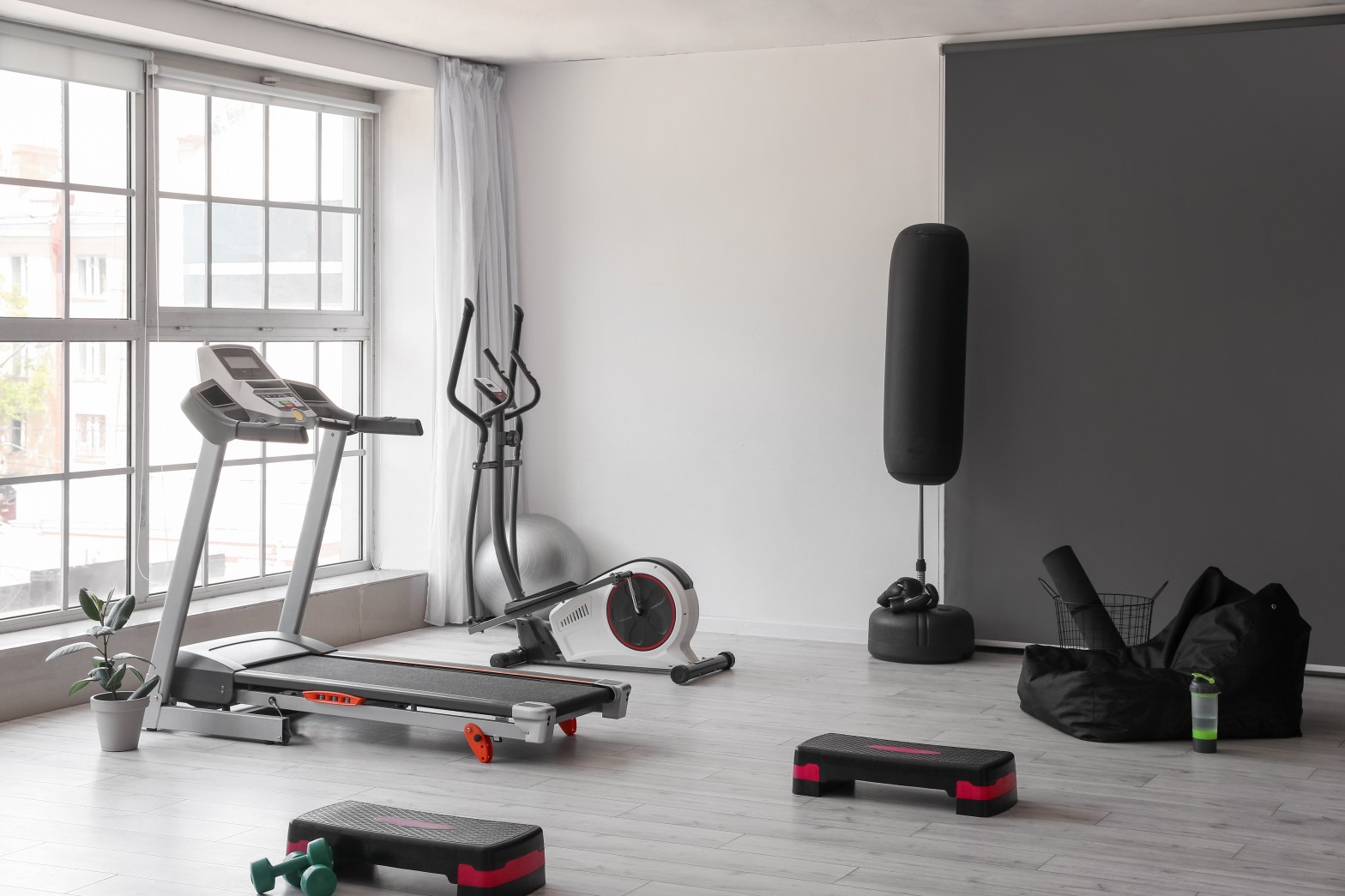
When it comes to creating a home gym, having a well-thought-out space can make all the difference between a room you never use and one you visit daily. But where do you even begin if you’re not familiar with construction or design lingo? Let’s break down the essentials—layout, ventilation, flooring, and equipment storage—so that your new workout space is inviting, practical, and perfectly suited to your goals.
1. Plan Your Layout for Maximum Motivation
Location, Location, Location
A home gym should be somewhere you want to spend time in. Look for a space that gets natural light, or if that’s not possible, make sure you include good artificial lighting. A well-lit environment can energize you and make workouts more enjoyable.
Room to Move
Even if your plan is to do mostly yoga or body weight exercises, give yourself enough room to move without bumping into walls or furniture. If you’re planning to incorporate larger equipment, like treadmills or elliptical, consider clearance space around each piece so you don’t feel cramped.
Zoning
If you like variety in your workouts, think about designating different “zones.” For instance, a cardio zone for treadmills or bikes, a strength-training zone for weights, and a flexibility zone for yoga or stretching. Creating zones helps keep each activity area organized and clutter-free.
2. Breathe Easy with Proper Ventilation
Why Ventilation Matters
Workouts can be sweaty business! Proper ventilation is crucial for comfort, odor control, and good air quality. If you’re remodeling, consider installing a dedicated ventilation system or at least a high-quality exhaust fan to keep fresh air circulating. It’s especially important if your gym will be in a basement or garage without a lot of windows.
Windows and Fans
Natural ventilation from windows is wonderful, but if that’s not an option, ceiling fans, floor fans, or wall-mounted fans can help circulate air. The key is making sure your workout area doesn’t feel stuffy or humid, which can deter you from exercising regularly.
3. Flooring that Works (and Works Out)
Safety and Comfort
When you’re jumping, lunging, or lifting weights, the right flooring helps protect your joints and prevents slips. Rubber flooring or foam mats are popular choices because they absorb impact and are easy on the knees. If you’re using heavier equipment, rubber tiles can help protect the subfloor from damage.
Easy Maintenance
Sweat, spills, and dropped weights can happen, so choose flooring that’s easy to clean. Rubber tiles or vinyl floors are low-maintenance and can withstand frequent mopping or wiping. Plus, it’s always nice to have a gym that still looks great after a few high-intensity sweat sessions.
4. Smart Equipment Storage
Functional and Clutter-Free
A neat, tidy gym is far more inviting than one with equipment strewn about the floor. Consider built-in shelves or wall-mounted racks to store dumbbells, kettle bells, and other smaller equipment. A storage bench or cabinets can be great for yoga mats, resistance bands, and other accessories.
Fold able Options
If you have limited space, think about equipment that can be folded or stacked when not in use. Treadmills and bikes often come in fold able models, and wall-mounted racks for bikes or yoga mats keep your floor space clear.
5. Personal Touches That Inspire
Decor and Design
Yes, this is a gym, but it’s also part of your home. Incorporate touches that you find motivating—a favorite piece of art, a chalkboard to track your progress, or even a couple of potted plants for an added dose of fresh air. Mirrors on the walls not only help you check your form but can also make the room feel larger.
Music and Entertainment
If you enjoy listening to music or watching TV during workouts, plan for a sound system or a screen. Prewiring the room for a TV or speakers helps you avoid cords running across the floor, which could become a tripping hazard.
6. Why Professional Design Matters
Designing a home gym is more than just picking a room and throwing in a treadmill. It’s about creating a space that aligns with your fitness goals, fits well within your home’s layout, and stands the test of time—both structurally and stylistically. Professionals can help guide you through these choices, ensuring your home gym is truly functional.
Ready to Build Your Perfect Workout Space?
Whether you’re building a brand-new house or remodeling an existing room, there’s no reason to tackle the design details alone. At Dennis Fletcher Design Studio, we specialize in turning your vision into a real, usable space—right down to the last detail. For more information or to schedule a consultation, email us at info@dennisfletcherdesignstudio.com. We look forward to helping you create a home gym that keeps you motivated and makes the most of your space!
Leave a Reply