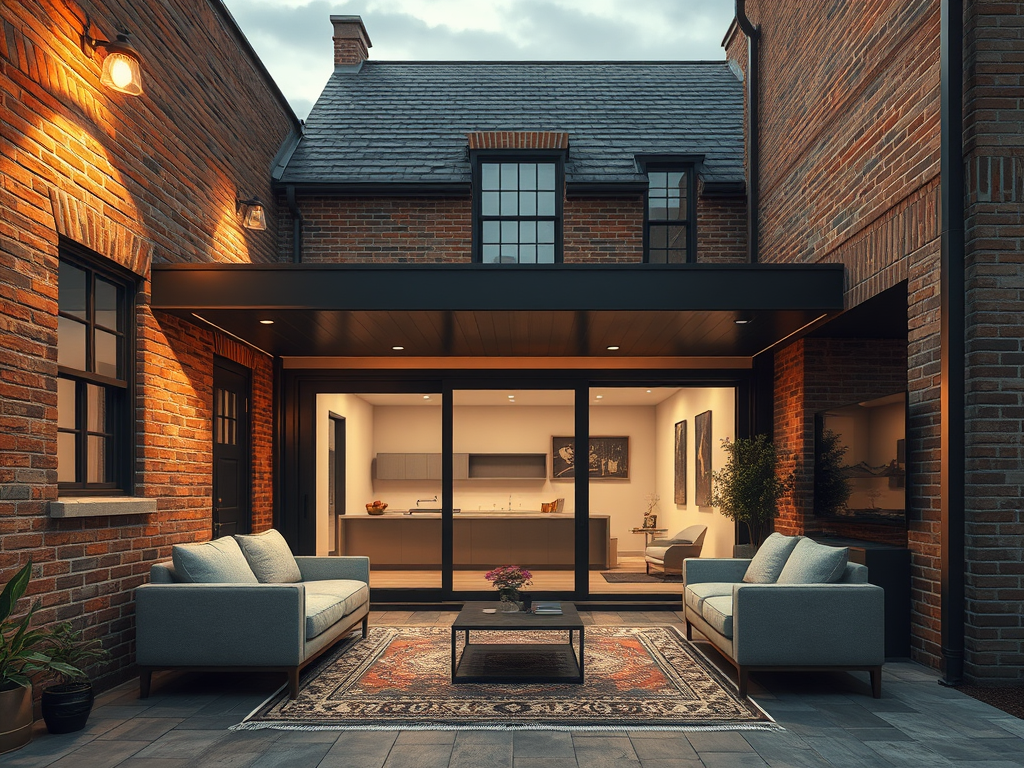
When it comes to expanding an older home, many homeowners fear losing the charm and personality that drew them in to begin with. Luckily, mixing the old with the new can be easier—and more delightful—than you might imagine. Today, let’s explore some creative methods to unite historic architecture with contemporary design elements, resulting in an addition that looks intentional, welcoming, and distinctly you.
1. Respect the Original Bones
Historic buildings boast loads of personality, from ornate moldings to antique wood beams. When planning a modern addition:
- Highlight Structural Details: Keep exposed brick walls and original wood floors visible as conversation starters.
- Complement, Don’t Compete: Use colors and materials that honor the home’s existing style rather than overshadowing it.
2. Blend Period Features with Modern Conveniences
The best marriages of old and new happen when you pay homage to the past, but still reap the benefits of modern innovation.
- Matching Trim and Moldings: Carry the same style of window casing and baseboards into your new space, but consider modern finishing techniques for better durability.
- Sleek, Subtle Upgrades: Incorporate state-of-the-art appliances or energy-efficient windows with discreet designs that don’t steal the architectural spotlight.
3. Play with Transitional Décor
Transitional design elements serve as a bridge between yesterday and today.
- Vintage Lighting Meets Modern Fixtures: Mix a retro chandelier with clean-lined, minimalist sconces to tie the eras together.
- Soft Furnishings, Bold Statements: Opt for neutral seating (think contemporary silhouettes) paired with heirloom rugs or antique accent pieces.
4. Use Color to Tie It All Together
Color is a powerful unifier, helping you weave historic charm and modern flair into one consistent narrative.
- Muted Historic Palette: If your home’s original paint colors can still be identified, consider updating them with current low-VOC paints for a subtle nod to history.
- Accent Walls: A single wall in your new addition, painted in a historically inspired hue, can help link the older sections with the fresh, contemporary area.
5. Let the Lines Flow
One of the biggest pitfalls in expansions is creating a jarring contrast between old and new structures.
- Consistent Roof lines: Ensure your addition’s roof meets the main house in a way that feels seamless.
- Harmonious Scale: Keep the scale of windows, doors, and ceilings consistent so the addition doesn’t overshadow or shrink the original architecture.
6. Call in the Experts
It’s possible to marry antique charm with modern comforts—but it can be tricky. Consulting with professionals who specialize in historic preservation and contemporary design is key.
Ready to blend old-world character and modern living in your own home?
We at Dennis Fletcher Design Studio would love to help you transform your space while preserving what makes your home truly special.
Click the button to learn more.
Leave a Reply