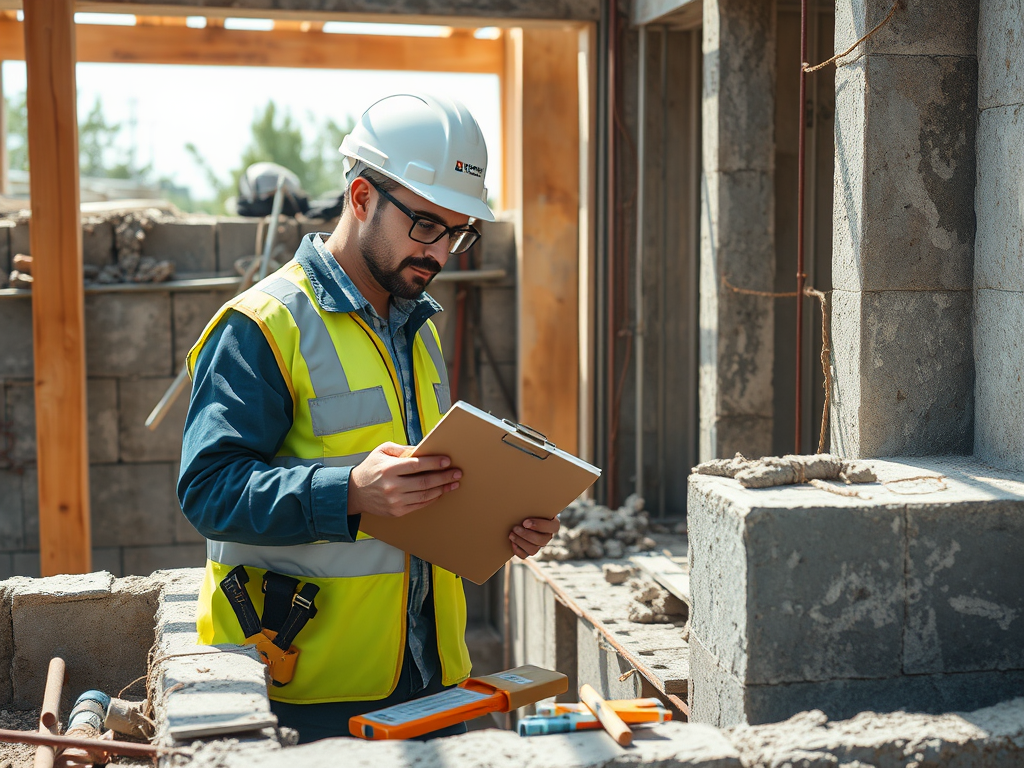
When you’re building or buying a new home, few things sound more intimidating than “the inspection.” It conjures images of clipboards, flashlights, and the ominous fear that something—anything—might go wrong. But inspections are not your enemy. In fact, they’re one of the most valuable tools in ensuring your home is built right, safe, and code-compliant.
Let’s break it all down: what happens, when it happens, what inspectors are looking for, and how you can make the process smoother—without breaking a sweat.
🛠 The 3 Major Types of Inspections During Construction
If you’re building a home from scratch, you’ll likely go through several official inspections—usually scheduled by your builder or contractor and required by local code enforcement.
1. Foundation Inspection (Before Concrete Is Poured)
This is the first critical checkpoint. Inspectors verify that:
- The footings are the right depth and width
- Rebar placement meets code
- The formwork is properly set
- Anchor bolts are positioned correctly
Common Issues:
Improper rebar spacing, inadequate drainage preparation, or formwork that’s out of level.
Homeowner Tip:
Ask for a walk-through with your contractor before the inspector arrives. You’ll gain insights and spot things early.
2. Framing Inspection (Before Insulation & Drywall)
Once framing is complete and before the walls are sealed up, an inspector checks:
- Structural integrity of framing
- Proper placement of fire blocking
- Window and door openings
- Attachment of framing connectors
- Rough plumbing, electrical, and HVAC
Common Issues:
Cut joists, missing fire blocking, overdriven nails, or incorrect plumbing vent placement.
Homeowner Tip:
Take this opportunity to take photos of all your wall cavities. It’ll be helpful later for hanging art or locating wires.
3. Final Inspection (Before You Move In)
This one includes a little bit of everything. The inspector will ensure:
- Electrical, plumbing, and HVAC systems are safe and working
- Smoke and CO detectors are properly placed
- Railings and stairs meet safety codes
- Exterior drainage doesn’t slope toward the house
- All code requirements are met
Common Issues:
Missing handrails, blocked vents, electrical panel labeling, or lack of insulation in certain areas.
Homeowner Tip:
Prepare a checklist of things you’ve noticed or want clarified. Walk the home yourself before the inspection to avoid surprises.
🔍 If You’re Buying an Existing Home: The General Home Inspection
A general home inspection usually happens during the buying process and is performed by a private inspector—not the city or county. This is your opportunity to understand the condition of your home before signing on the dotted line.
They’ll inspect:
- Roof and attic
- Foundation and crawl space
- Electrical system
- Plumbing system
- HVAC system
- Appliances
- Windows and doors
- Grading and drainage
- Signs of pests or moisture damage
Common Issues Found:
- Roof wear and tear
- Old water heaters or HVAC units
- Poor attic ventilation
- GFCI outlets not functioning
- Cracks in foundation walls
Solutions:
Most issues are fixable, and many are negotiable. A good inspector’s report is leverage—use it to request repairs or price adjustments.
✅ How to Prepare for a Home Inspection
Whether you’re building or buying, preparation helps keep the process stress-free.
For New Builds:
- Confirm with your contractor that everything is ready before each scheduled inspection.
- Clean up debris so inspectors can safely access all areas.
- Keep pets secured and utilities on.
For Existing Homes:
- Make sure all utilities are on and pilot lights are lit.
- Clear access to attic, crawl space, water heater, and electrical panel.
- Fix minor things ahead of time—burned out bulbs, leaky faucets, loose outlets.
🧠 Final Thoughts
A home inspection isn’t a test you pass or fail—it’s a check-up. Like a good doctor, an inspector helps diagnose problems so you can treat them early. Stay informed, communicate with your builder or agent, and don’t be afraid to ask questions.
At Dennis Fletcher Design Studio, we help our clients through every stage of the process—including those nerve-wracking inspections—so nothing catches you off guard.
📣 Need help designing a home that passes inspection the first time?
Visit www.dennisfletcherdesignstudio.com/contact or email us at info@dennisfletcherdesignstudio.com to get started on your dream home—built right from the ground up.
Leave a Reply